


The BiblioNest. Curate your collection, your way.
© 2026 Ann Mathenge · Built with love, coffee, and cat hair.

Loading...

© 2026 Ann Mathenge · Built with love, coffee, and cat hair.



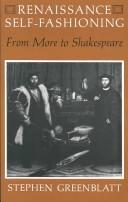
By Stephen Greenblatt
This study examines the ways in which Europeans of the late Middle Ages and the early modern period represented non-European peoples and took possession of their lands, in particular the New World. In a series of readings of travel narratives, judicial documents and official documents, Greenblatt shows that "the experience of the marvellous", central to both art and philosophy, was yoked by Columbus and others to service of colonial appropriation. He argues that the traditional symbolic actions and legal rituals through which European sovereignty was asserted were strained to breaking point by the unprecedented nature of the discovery of the New World. But the book also shows that "the experience of the marvellous" is not necessarily an agent of empire: in writers as different as Herodotus, Jean de Lery and Montaigne - and notably in "Mandeville's Travels"--Wonder is the sign of a recognition of cultural difference. Greenblatt reaches back to the ancient Greeks and forward to the present to ask how it is possible, in a time of disorientation, hatred of the other and possesiveness, to keep the capacity for wonder from being poisoned.
Published
October 15, 1992
Format
Paperback
Pages
216
Language
English
ISBN
9780226306520