
The BiblioNest. Curate your collection, your way.
© 2026 Ann Mathenge · Built with love, coffee, and cat hair.

Loading...

© 2026 Ann Mathenge · Built with love, coffee, and cat hair.



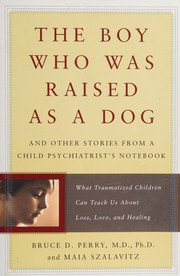
By Bruce Duncan Perry
Part of a series on understanding, identifying and responding to childhood trauma. This segment focuses on the effects that childhood trauma has on brain function. Introduces current research that shows how systems in the brain are activated by trauma, and how trauma changes neuron response and cognitive pathways. These brain chemistry changes can create severe adolescent and adult problems such as learning disorders, acting out behaviors, bonding, attachment, mood problems, and difficulty with problem solving. Shows how caregivers, teachers and healthcare providers can best deal with these symptoms and how severe damage to the developing brain can be treated chronologically, but with primary emphasis on prevention and timely intervention.
Published
2002
Format
[videorecording] :
Pages
29
Language
English
ISBN
-