The BiblioNest. Curate your collection, your way.
© 2026 Ann Mathenge · Built with love, coffee, and cat hair.

Loading...





© 2026 Ann Mathenge · Built with love, coffee, and cat hair.



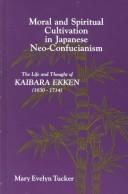
By Mary Evelyn Tucker, John H. Berthrong
The Confucian and Neo-Confucian tradition of East Asia demonstrates a remarkable wealth of resources for a rethinking of human-earth relations. In its insistence on the life force (ch'l) within all things, in its affirmation of immanence and avoidance of radical transcendence, and in its call for harmony between Heaven, Earth, and humans, Confucianism shows itself to be both theoretically and practically equipped to contribute to current discussions of environmental philosophy and ethics.
As a tradition that has helped to form the world's oldest continuing civilization and that continues to inform social, political, and economic structures in East Asia, Confucianism has both historical significance and contemporary endurance. Indeed, nearly one quarter of the world's population has been influenced by Confucianism in some way, especially in family structures and values.
The challenge, as Tu Weiming suggests, is to ensure the continuance of tradition in modernity, thereby achieving an effective counterpoint to the destruction of both human communities and the Earth community.
Published
1998
Format
-
Pages
378
Language
English
ISBN
0945454155